
Cale Nahorney
REALTOR® · Royal LePage Kelowna · Kelowna, BC
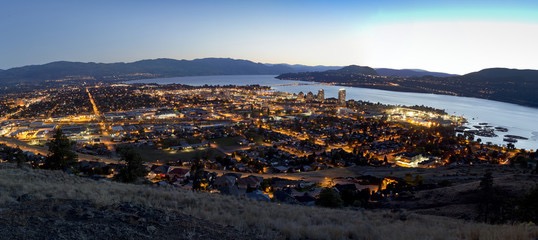
Smart capital has a way of finding places before everyone else does. In the Okanagan, a lot of smart capital arrived quietly over the past decade and the structural case for why this valley keeps attracting serious investors has only gotten stronger.
This isn't about lifestyle appeal alone, although that's a real and underrated driver of long-term real estate value. This is about population mechanics, infrastructure commitment, economic diversification, and the compounding advantage of getting positioned in a market with genuine long-runway fundamentals. Let me walk through what the data actually shows.
The Infrastructure Signal
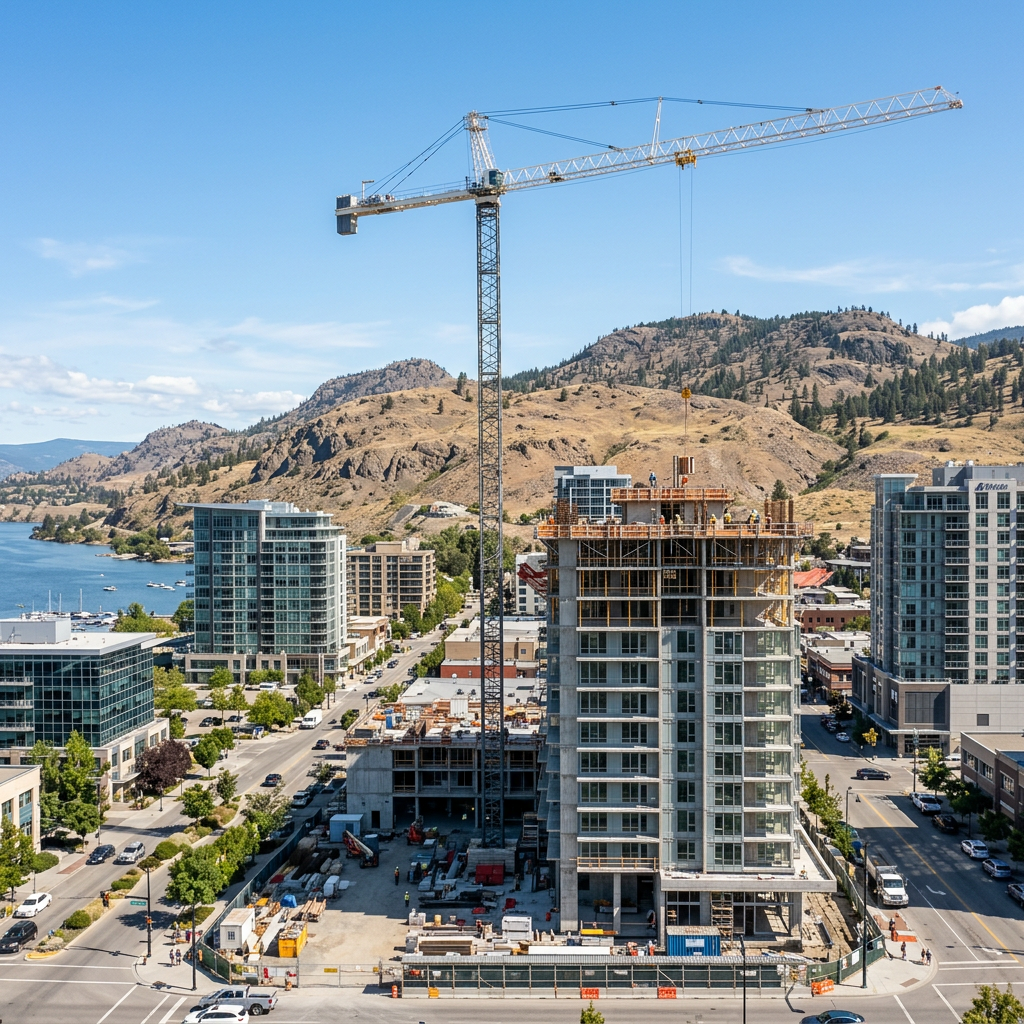
Experienced investors know that infrastructure spending is one of the clearest signals a city can send about its long-term trajectory. It's an expensive commitment that municipalities don't make lightly, and it shapes where density, development, and demand flows for decades.
Kelowna is currently executing a ten-year capital plan with a projected total spend of $2.59 billion a number that reflects a city not managing growth, but actively building ahead of it.
"This is the kind of coordinated, multi-sector infrastructure investment that precedes sustained real estate appreciation."
A Maturing Economic Engine
The Okanagan's reputation as wine country and a retirement destination has historically undersold the sophistication of its economy. That narrative is increasingly hard to sustain.
Critically, 61% of these companies are under nine years old and 58% are already profitable a profile that suggests an ecosystem in early-to-mid growth phase, not late-cycle saturation. Sub-sectors in advanced manufacturing, cleantech, and SaaS are building companies here that are increasingly visible on a national stage.
The labour force in the Central Okanagan grew 18.4% between 2024 and 2025, from 115,000 to over 132,000 workers, a figure that reflects not just population growth, but the economic pull of a city creating real employment opportunity. An economy this diversified, covering agriculture, tourism, technology, healthcare, and advanced manufacturing, doesn't have a single point of failure. That's a meaningful quality for investors evaluating downside risk.
The Airport as an Economic Catalyst
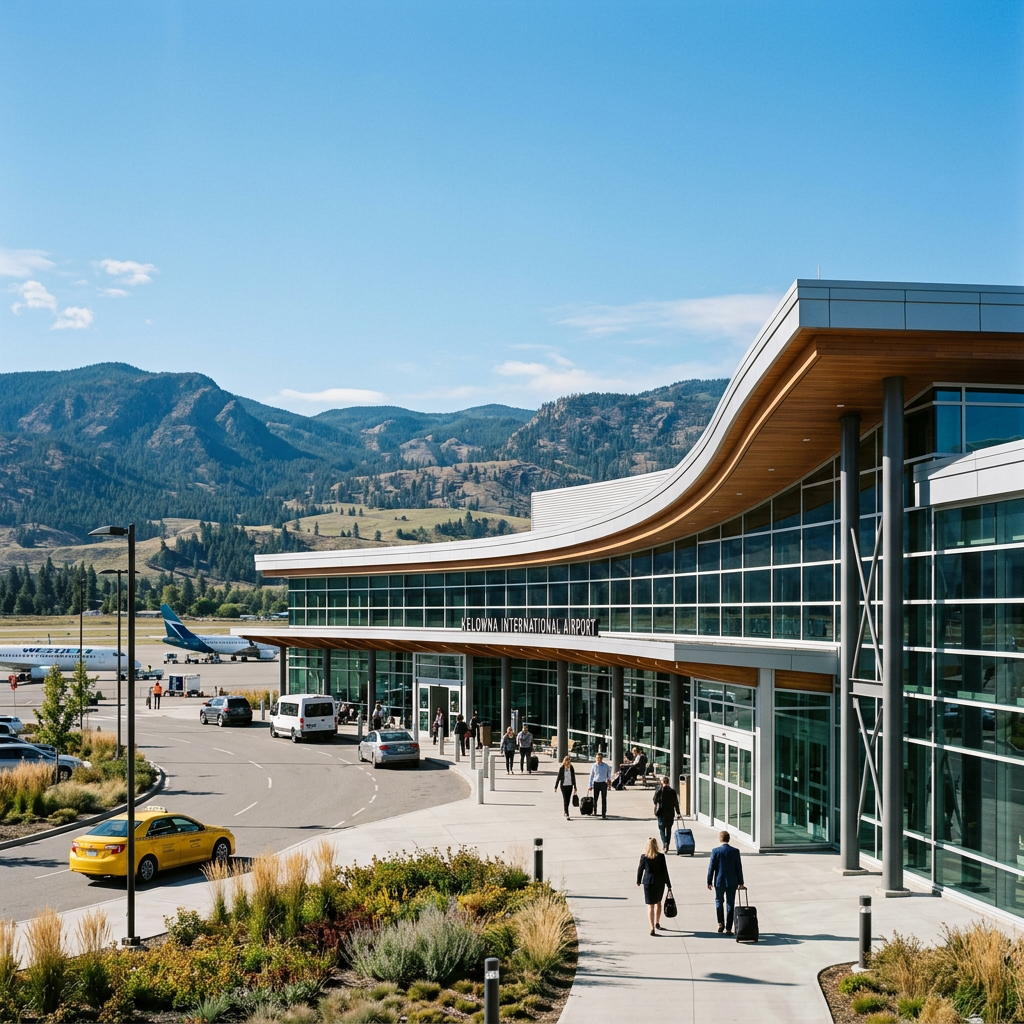
Kelowna International Airport (YLW) deserves its own section, because it's a story most outside investors haven't fully priced in.
YLW by the numbers
When an airport of this scale is actively expanding and setting traffic records, the downstream effects on commercial real estate, hospitality, short-term rental demand, and residential absorption are significant. Direct connectivity drives migration, business formation, and tourism spend all of which support property values and rental demand across multiple asset classes.
Population Trends: What the Numbers Actually Mean
The broad Okanagan growth story is well known. Kelowna grew 14% between 2016 and 2021 one of the fastest rates of any metro area in Canada during that period. Looking forward, the Central Okanagan is projected to add approximately 24,300 residents over the next decade.
A nuanced read of the population data reveals something important: near-term growth projections have moderated. For investors, this is actually a more favourable environment than the peak frenzy demand continues to grow, but it's being absorbed by a more rational market without the speculative premium that inflated prices at the top.
"This is not a single-demographic market with a single point of demand risk. It's a layered demand pool with multiple independent drivers."
The demographic mix matters. Kelowna draws retirees from Alberta and Metro Vancouver seeking a lower-cost, higher-quality lifestyle. It draws young professionals following remote work flexibility. It draws students and faculty anchored by UBCO. Multiple independent demand drivers means multiple layers of protection against any single segment softening.
The Rental Market: Recalibrated, Not Broken
The rental market in Kelowna has reset from historic lows. Vacancy sat at approximately 1% in 2023 and has risen to 3.7% in 2024 the first genuinely healthy vacancy rate the city has seen in twenty years.
Well-positioned townhomes and condos in the Kelowna market are generating gross yields in the 5–6% range, on assets that have experienced meaningful price correction from their 2022 peaks and carry the structural demand tailwinds described above. That combination corrected entry pricing, stable yield, and long-duration demand drivers is what disciplined investors look for.
A Clear-Eyed Assessment
No market is without risk, and intellectual honesty requires acknowledging the headwinds. Price softening over the past two years has been real. The rental market is more competitive for landlords than it was in 2021 and 2022. National economic uncertainty, including trade and labour market dynamics, creates near-term caution for some buyers.
Tailwinds
Headwinds
The Bottom Line
The fundamentals that define a market's decade-long trajectory infrastructure commitment, economic diversification, demonstrated population demand, geographic scarcity, and a quality-of-life proposition that is genuinely difficult to replicate remain intact and arguably stronger than they've been at any point in the Okanagan's recent history.
Markets that have these fundamentals, and that have experienced a cyclical correction, tend to reward patient, well-positioned capital.
If you're evaluating opportunities in this valley and want a ground-level perspective on where I see the best risk-adjusted positioning by asset class, neighbourhood, or investment strategy I'm happy to have that conversation.
Get in Touch